
The Maasai Mara National Reserve in Kenya is a bucket-list destination for wildlife enthusiasts, offering breathtaking landscapes and unparalleled game viewing. While the Mara is spectacular year-round, the period from July to October stands out as the prime time to visit. This season coincides with the Great Migration, dry weather, and optimal conditions for spotting Africa’s Big Five. Below, we explore why these months are ideal for your Maasai Mara safari.
The Great Migration: A Wildlife Spectacle
The defining reason to visit the Maasai Mara from July to October is the Great Migration, one of nature’s most awe-inspiring events. During this period, over 1.5 million wildebeest, along with zebras and gazelles, migrate from Tanzania’s Serengeti National Park to the Mara in search of fresh grazing lands. This mass movement creates dramatic scenes of:

- River Crossings: The Mara River becomes a stage for heart-pounding moments as herds brave crocodile-infested waters. These crossings, especially in August and September, are a highlight for wildlife photography enthusiasts.
- Predator Action: The abundance of prey attracts predators like lions, leopards, and hyenas, increasing your chances of witnessing thrilling hunts during game drives.
- Herd Dynamics: The sheer scale of the migration offers a unique opportunity to observe wildlife behavior in a dynamic, ever-moving ecosystem.
Visiting during this peak safari season ensures you experience this natural wonder at its most intense, making it a must for any African safari.
Ideal Weather for Safari Adventures
July to October marks the dry season in the Maasai Mara, creating perfect conditions for a wildlife adventure:
- Clear Skies and Comfortable Temperatures: Daytime temperatures range from 20–28°C (68–82°F), with cool mornings and evenings, ideal for early morning and late afternoon game drives. Clear skies enhance visibility for spotting animals and capturing stunning safari photography.
- Dry Terrain: The lack of rain means roads and trails are more accessible, allowing safari vehicles to navigate easily across the savanna. This is especially important for reaching remote areas to track the Big Five (lion, leopard, elephant, buffalo, rhino).
- Concentrated Wildlife: With water sources scarce, animals gather around rivers, waterholes, and the Mara River, making it easier to spot diverse species during wildlife sightings.

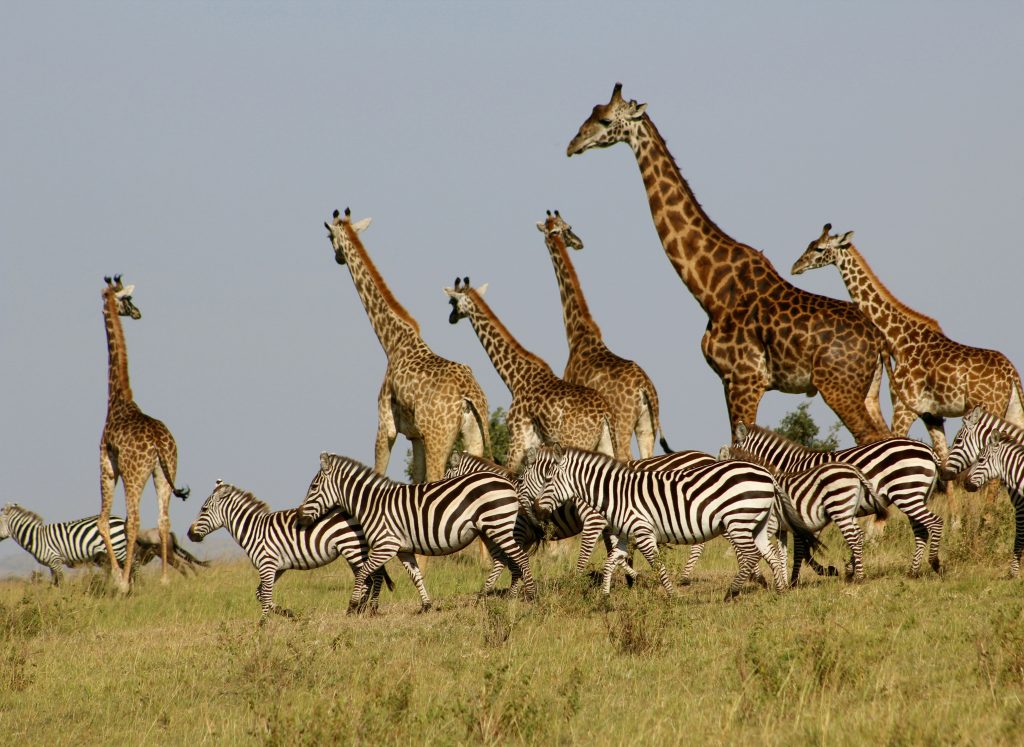
The dry season’s predictability ensures a seamless safari experience, with minimal disruptions from weather.
Peak Wildlife Viewing Opportunities
The dry season from July to October maximizes your chances of encountering the Maasai Mara’s iconic wildlife:
- Big Five Sightings: The Mara is one of the best places to see all five iconic species. During this period, sparse vegetation and concentrated water sources make it easier to spot elusive animals like leopards and rhinos.
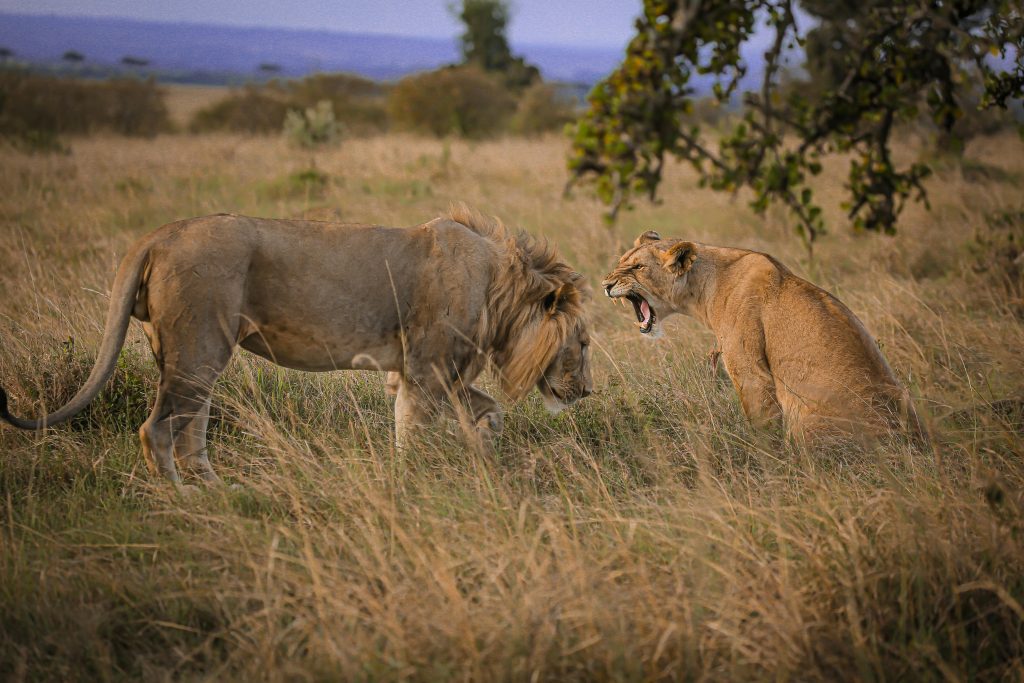
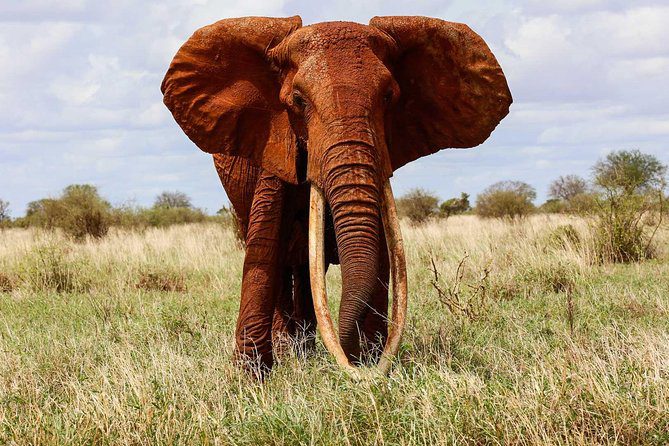
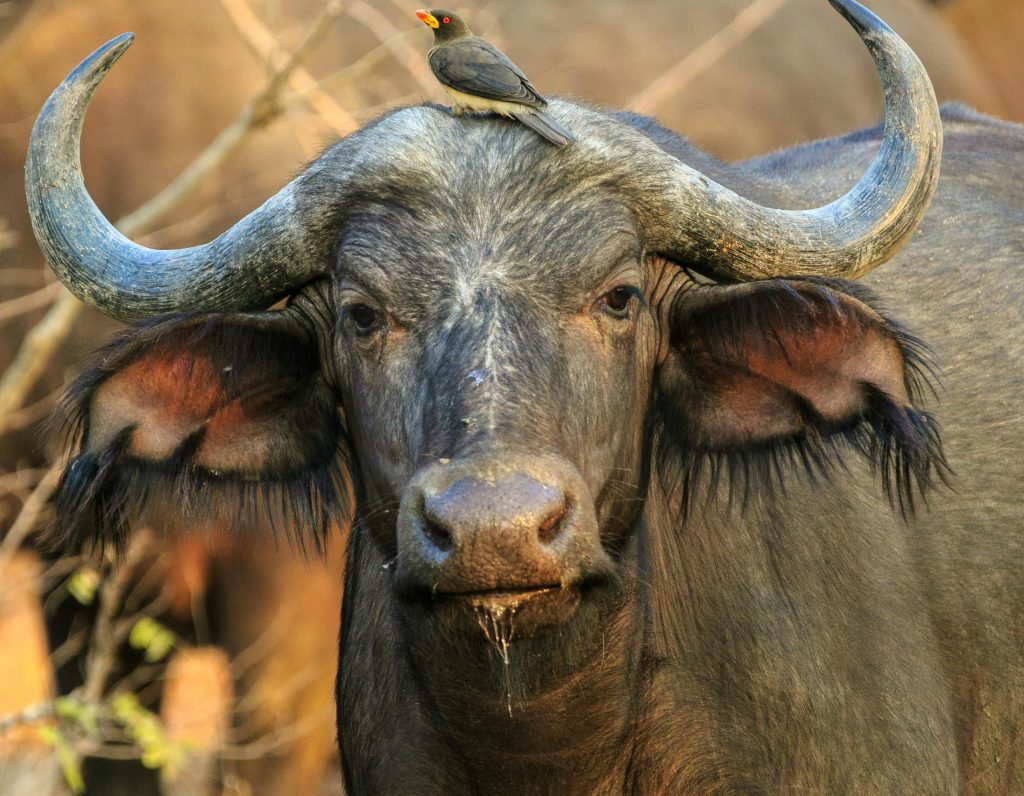
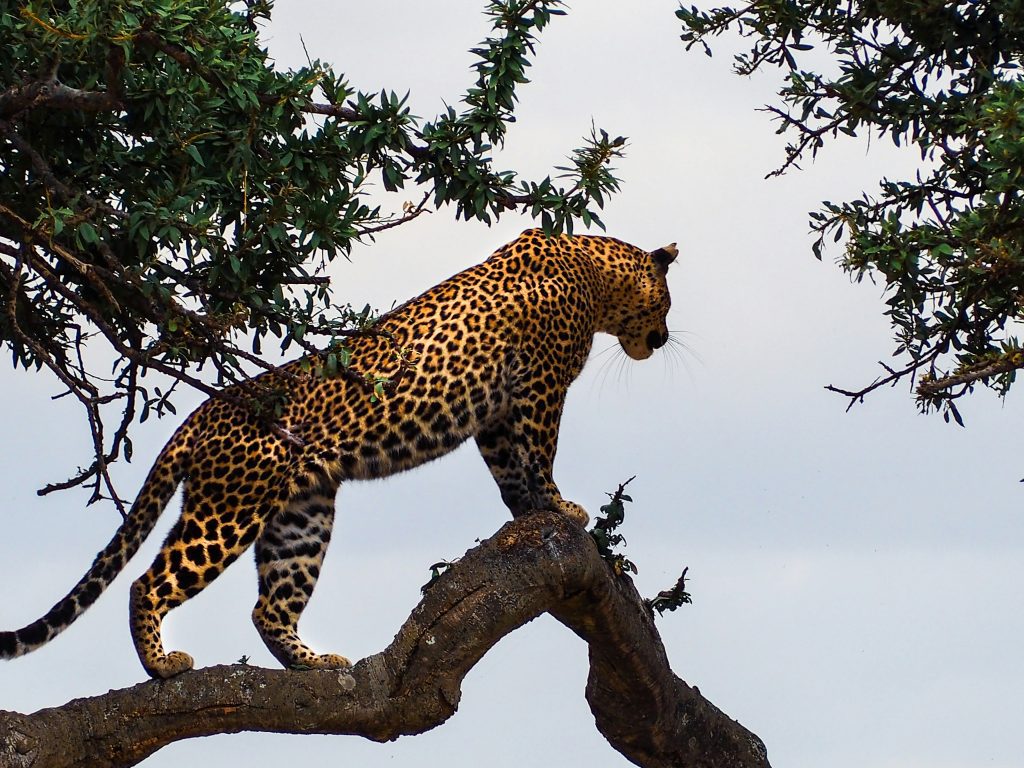
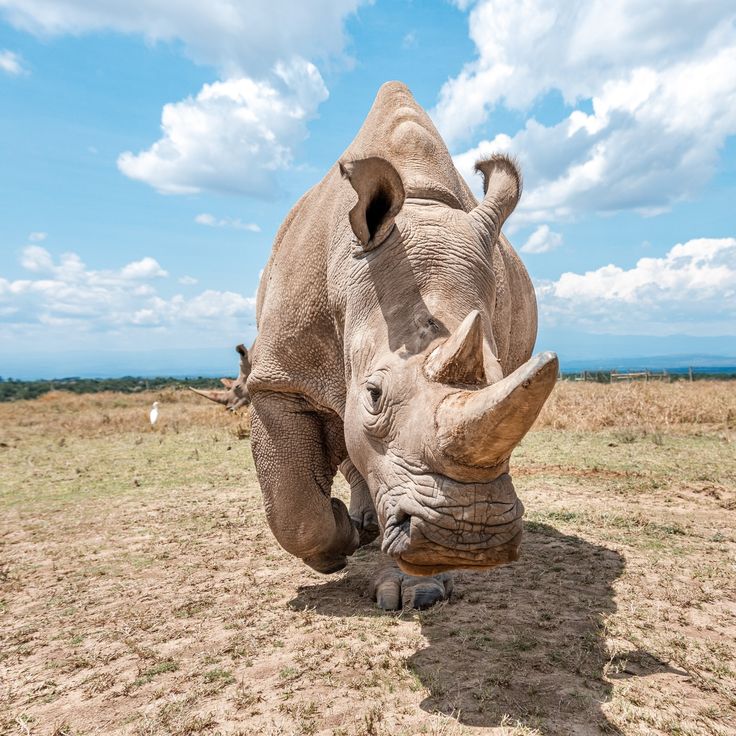
- Predator-Prey Interactions: The influx of migratory herds draws predators, increasing the likelihood of witnessing dramatic chases or kills, a thrilling highlight of any game drive.
- Birdwatching: The Mara is a haven for birdwatching safaris, with over 450 species. Migratory birds from Europe and Asia arrive during these months, adding to the resident species like ostriches, lilac-breasted rollers, and vultures.
The combination of the Great Migration and favorable conditions makes this the best time for unforgettable wildlife encounters.
Cultural and Practical Advantages
Beyond wildlife, July to October offers additional perks for your Maasai Mara adventure:
- Cultural Experiences: The dry season aligns with opportunities to visit Maasai villages, where you can engage with the Maasai people, learn about their traditions, and witness cultural dances. The clear weather ensures these visits are comfortable and accessible.
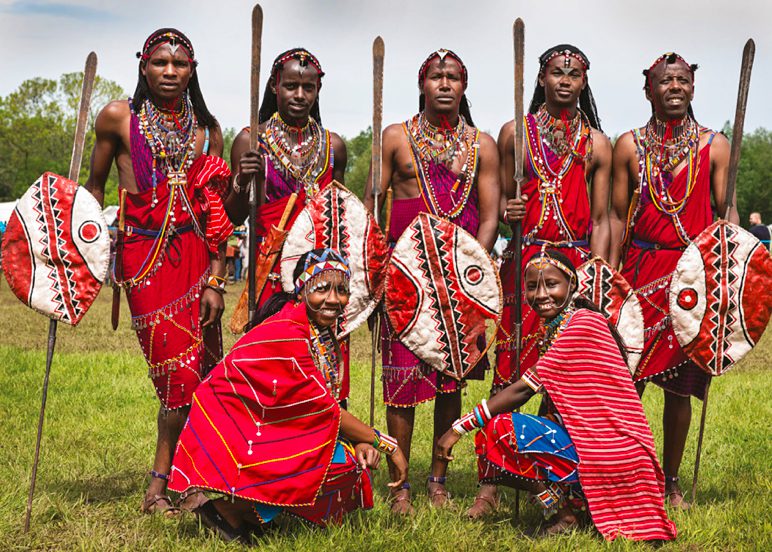
- Photography Opportunities: The golden light of the dry season, paired with vibrant wildlife activity, creates perfect conditions for wildlife photography. Whether you’re capturing a lion’s roar or a wildebeest crossing, the Mara delivers stunning visuals.
- High Season Buzz: As the peak safari season, lodges, camps, and guides are in top form, offering polished services. From luxury safari lodges to budget camping safaris, accommodations cater to all preferences.
Considerations for Visiting in July to October
While this period is ideal, there are factors to keep in mind:
- Higher Costs: The peak season sees increased demand, so safari tours and accommodations, especially luxury lodges, may be pricier. Booking early secures better rates.
- Crowds: Popular spots, especially around river crossings, can attract more visitors. Opting for private safaris or staying in less crowded conservancies like Mara North can enhance exclusivity.
- Advance Planning: With high demand, it’s wise to plan your Maasai Mara safari months in advance to secure preferred lodges, guides, and game drive schedules.
Conclusion
The period from July to October is undeniably the best time to visit the Maasai Mara National Reserve. The Great Migration brings unparalleled wildlife drama, the dry season ensures optimal game viewing conditions, and the vibrant ecosystem offers endless opportunities for safari adventures. Whether you’re a first-time visitor or a seasoned traveler, this peak safari season promises unforgettable moments— from witnessing wildebeest crossings to spotting the Big Five in their natural habitat. Book your Masai Mara safari with a reputable tour operator during these months for a wildlife experience that will stay with you forever.